


 We specialize in bookkeeping, payroll, income tax return preparation, and retirement planning, and serve a nationwide clientele consisting of individuals and businesses of all types and sizes (LLC, partnerships, C & S Corporations), as well as trusts and estates. As financial problem solvers, we provide practical advice and proactive solutions with personalized service. We are affordable, experienced, and friendly, and we tirelessly study and research the ever-changing world of tax law and regulation so that we can help every client realize the greatest possible savings and return on investments. Our office is conveniently located in Dover, Delaware. Please contact us today to find out more about how we can make YOUR life less taxing!
Tax
Services
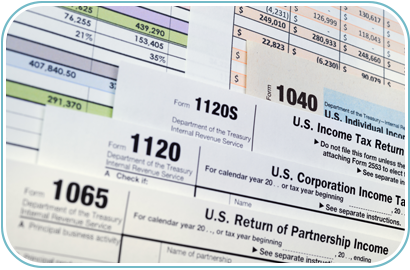
Accounting
Services

Software
Services

Retirement
Planning





𝗖𝗮𝗻 𝗜 𝗱𝗼𝗻𝗮𝘁𝗲 𝘀𝘁𝗼𝗰𝗸𝘀 𝘁𝗼 𝗰𝗵𝗮𝗿𝗶𝘁𝘆 𝗶𝗻𝘀𝘁𝗲𝗮𝗱 𝗼𝗳 𝗰𝗮𝘀𝗵 𝗮𝗻𝗱 𝘀𝗮𝘃𝗲 𝗼𝗻 𝘁𝗮𝘅𝗲𝘀?
Yes, if you own stock that's increased in value, donating the shares directly to a qualified charity can save you capital gains taxes while giving you a potential charitable deduction.
𝘌𝘹𝘢𝘮𝘱𝘭𝘦: You bought stock for $5,000 a few years ago. Today, it's worth $20,000.
If you sell it, you realize a $15,000 taxable capital gain, even if you donate all the proceeds afterward.
But if you transfer the shares directly to the charity, you avoid realizing that gain. And if you've held the stock for more than a year and itemize, you may be able to deduct its full $20,000 value (subject to IRS deduction limits).
So, if you're planning year-end charitable donations, it's worth looking at the investments you already own before writing a check.
𝘞𝘩𝘢𝘵 𝘸𝘰𝘶𝘭𝘥 𝘺𝘰𝘶 𝘸𝘢𝘯𝘵 𝘵𝘰 𝘬𝘯𝘰𝘸 𝘣𝘦𝘧𝘰𝘳𝘦 𝘥𝘰𝘯𝘢𝘵𝘪𝘯𝘨 𝘪𝘯𝘷𝘦𝘴𝘵𝘮𝘦𝘯𝘵𝘴 𝘪𝘯𝘴𝘵𝘦𝘢𝘥 𝘰𝘧 𝘤𝘢𝘴𝘩?

0 CommentsComment on Facebook
𝗛𝗼𝘄 𝗺𝘂𝗰𝗵 𝗰𝗮𝘀𝗵 𝘀𝗵𝗼𝘂𝗹𝗱 𝗜 𝗸𝗲𝗲𝗽 𝗶𝗻 𝗺𝘆 𝗯𝘂𝘀𝗶𝗻𝗲𝘀𝘀 𝗯𝗮𝗻𝗸 𝗮𝗰𝗰𝗼𝘂𝗻𝘁?
A good starting point is enough cash to cover three to six months of essential operating expenses. You'll also want to set aside money for taxes, based on what you expect to owe.
But the exact amount depends on how your business brings in money.
If you have predictable, recurring revenue (like monthly retainers or subscriptions), three months of expenses may be enough.
If you carry inventory, work on large projects, or experience big seasonal swings, you'll likely need closer to six months.
As for taxes, for most pass-through entities (LLCs, sole props), a good starting point is transferring 𝟮𝟱%–𝟯𝟬% 𝗼𝗳 𝘆𝗼𝘂𝗿 𝗻𝗲𝘁 𝗺𝗼𝗻𝘁𝗵𝗹𝘆 𝗽𝗿𝗼𝗳𝗶𝘁 into a dedicated tax account to cover both income and self-employment taxes.
Remember, the IRS expects quarterly estimated payments, so you'll be emptying that reserve four times a year. (We can help you dial in your exact percentage.)
𝘏𝘰𝘸 𝘮𝘢𝘯𝘺 𝘮𝘰𝘯𝘵𝘩𝘴 𝘰𝘧 𝘦𝘴𝘴𝘦𝘯𝘵𝘪𝘢𝘭 𝘦𝘹𝘱𝘦𝘯𝘴𝘦𝘴 𝘤𝘰𝘶𝘭𝘥 𝘺𝘰𝘶𝘳 𝘣𝘶𝘴𝘪𝘯𝘦𝘴𝘴 𝘤𝘰𝘷𝘦𝘳 𝘳𝘪𝘨𝘩𝘵 𝘯𝘰𝘸 𝘸𝘪𝘵𝘩 𝘵𝘩𝘦 𝘤𝘢𝘴𝘩 𝘺𝘰𝘶 𝘩𝘢𝘷𝘦 𝘴𝘦𝘵 𝘢𝘴𝘪𝘥𝘦?

0 CommentsComment on Facebook
𝗗𝗶𝗱 𝘆𝗼𝘂 𝗸𝗻𝗼𝘄 𝘄𝗲 𝗰𝗮𝗻 𝗿𝗲𝘃𝗶𝗲𝘄 𝘆𝗼𝘂𝗿 𝘁𝗮𝘅 𝗿𝗲𝘁𝘂𝗿𝗻, 𝗲𝘃𝗲𝗻 𝗶𝗳 𝘀𝗼𝗺𝗲𝗼𝗻𝗲 𝗲𝗹𝘀𝗲 𝗽𝗿𝗲𝗽𝗮𝗿𝗲𝗱 𝗶𝘁?
Mistakes happen, whether a return was prepared by tax software or another preparer. We can take a second look, identify errors or missed opportunities, and amend the return when a correction is needed.
Comment 𝗥𝗘𝗩𝗜𝗘𝗪 so we can set up a time to talk.
0 CommentsComment on Facebook
|
First State CPAs & Associates |
|
|
18 S. State St, Dover, DE 19901 |
|
| (302) 736-6657 | |
| Business Hours | |
| January 1st January 31st | |
| Monday–Friday: | 8am–5pm |
| Saturday & Sunday: | closed |
| February 1st April 15th | |
| Monday–Thursday: | 8am–6pm |
| Friday: | 8am–5pm |
| Saturday: | By appointment |
| Sunday: | closed |
| April 16th December 31st | |
| Monday–Thursday: | 8am–5pm |
| Friday, Saturday & Sunday: | closed |